

Automotive manufacturing has always demanded a lot from its workforce. Long shifts, repetitive motion, and physically taxing assembly lines have long
Automotive manufacturing has always demanded a lot from its workforce. Long shifts, repetitive motion, and physically taxing assembly lines have long been treated as simply part of the job. But that mindset is changing. Across the industry, manufacturers are recognizing that a healthy workforce is a productive, safe, and loyal one. From ergonomic redesigns to full-scale wellness benefits, automakers are rethinking what it means to take care of the people who build their vehicles. Here’s a closer look at what’s driving this shift, and why it matters for the future of the industry.
The Physical Demands of the Assembly Line
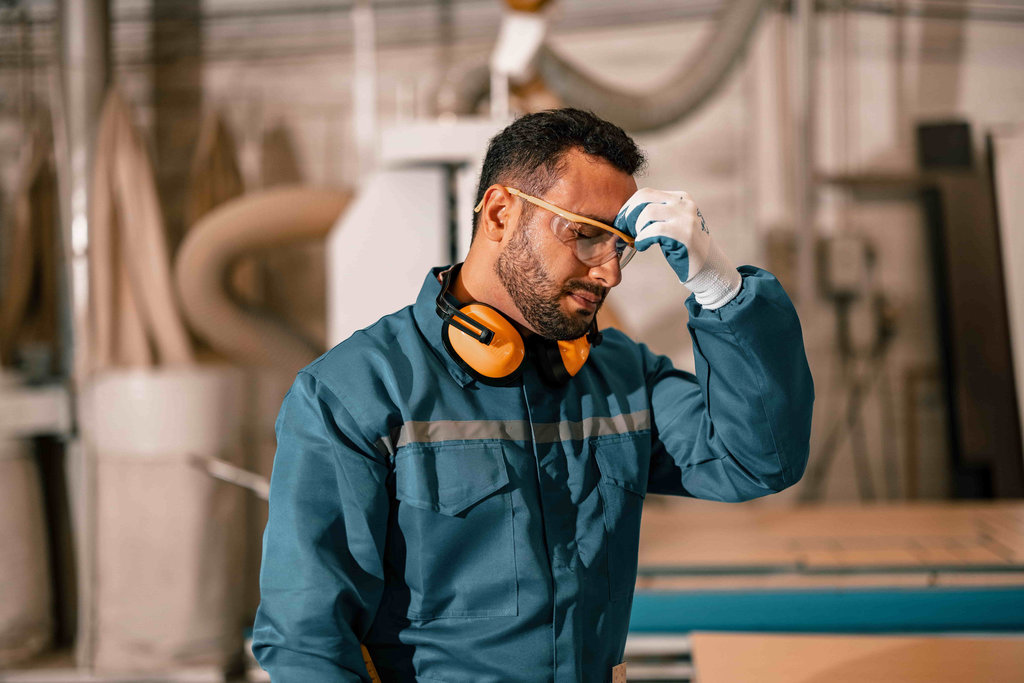
Assembly line work is repetitive by design, and that repetition takes a toll. Workers spend hours standing, reaching, lifting, and performing the same motions thousands of times per shift. Over months and years, this can lead to chronic strain injuries, joint pain, and fatigue that follows employees home. Fatigue in particular has a compounding effect: tired workers make more mistakes, and mistakes on a production line can mean costly defects or safety incidents.
Manufacturers have historically addressed this with rotation schedules and basic ergonomic training, but many are now going further, bringing in physical therapists, redesigning workstations around human movement, and treating injury prevention as a core operational priority rather than an afterthought. The result is fewer missed shifts, lower workers’ comp claims, and a workforce that can sustain output over a full career instead of burning out within a few years.
The Rise of Corporate Wellness Programs
Wellness programs used to mean a discounted gym membership. Today, leading manufacturers offer on-site fitness facilities, nutrition counseling, and partnerships with health providers that go well beyond the basics. One area gaining attention is metabolic and weight health, since sedentary shift patterns and factory-floor stress can contribute to weight gain over time. Some companies are now supporting employees who pursue medically supervised options, including GLP-1 and peptide-based treatments, as part of broader health coaching. Employees exploring these treatments are increasingly relying on tools like a cagrilintide dosage calculator to track their regimen safely and consistently, a small example of how personal health management is becoming more data-driven even on the factory floor. It reflects a wider trend: wellness benefits are no longer generic, they’re becoming personalized.

Mental Health and Ergonomics on the Factory Floor
Physical health isn’t the only focus. Manufacturers are increasingly aware that mental health directly affects safety and output. Repetitive, high-pressure environments can contribute to stress, anxiety, and disengagement, all of which raise the risk of on-the-job errors. In response, many plants now offer confidential counseling services, stress management workshops, and manager training focused on recognizing burnout early. Ergonomics has evolved alongside this shift. Adjustable workstations, exoskeleton support tools, and better lighting and noise control are being introduced not just to prevent injury, but to reduce the mental fatigue that comes from working in an uncomfortable environment for eight or more hours a day. Combined, these efforts signal a shift from treating wellness as a perk to treating it as infrastructure, something built into how a plant operates rather than something offered on the side.
Wellness as a Retention and Recruitment Tool
The labor market for skilled manufacturing workers has tightened considerably, and younger workers entering the workforce weigh benefits differently than previous generations did. Health and wellness offerings now rank alongside pay when candidates compare employers. Manufacturers that invest visibly in worker wellbeing report stronger applicant pools and, more importantly, better retention once employees are on staff. Turnover on a production line is expensive: recruiting, onboarding, and training a replacement worker can take weeks, during which output and quality often suffer. Companies that offer meaningful wellness support, not just token perks, are seeing measurably lower attrition rates. For an industry already facing skilled labor shortages, wellness has quietly become a competitive advantage rather than a nice-to-have addition to the benefits package.
The Business Case for Investing in Employee Health
Beyond morale, the numbers make a compelling case. Lower injury rates mean fewer workers’ comp claims and reduced insurance premiums. Healthier employees take fewer sick days and are less likely to leave for a competitor offering better support. Some manufacturers report measurable gains in line efficiency after introducing ergonomic and wellness initiatives, since fewer disruptions from injury or fatigue keep production running smoothly. Executives increasingly view these programs not as a cost center but as a long-term investment in operational resilience. As the industry continues to navigate labor shortages, automation shifts, and rising competition, the manufacturers that prioritize their workforce’s health today are positioning themselves to run leaner, safer, and more sustainable operations tomorrow.
COMMENTS